




















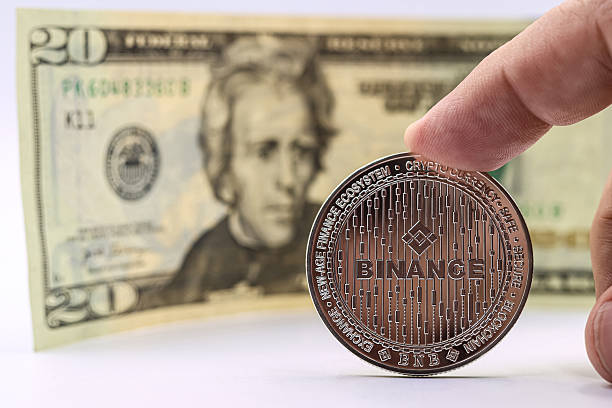
Binance will delist 8 cryptocurrencies on April 1, 2026. The affected tokens include LRC, RDNT, SXP, and five others. All spot trading pairs stop at 03:00 UTC. Take action before it is too late.
The Eight Tokens Binance Is Removing
Binance has officially confirmed the removal of the following eight tokens from its spot trading market: A2Z (Arena-Z), FORTH (Ampleforth Governance Token), HOOK (Hooked Protocol), IDEX, LRC (Loopring), NTRN (Neutron), RDNT (Radiant Capital), and SXP (Solar).
Each of these tokens serves a distinct role within the broader crypto ecosystem. For example, LRC powers the Loopring decentralized exchange protocol, enabling high-speed, low-cost transactions on Ethereum. Meanwhile, RDNT supports lending and borrowing activities on the Radiant Capital platform. Additionally, FORTH governs the Ampleforth algorithmic stablecoin protocol, and NTRN functions as the native token of the Neutron blockchain, a smart contract hub built on the Cosmos network.
Despite their individual use cases, all eight tokens failed to meet the performance benchmarks required for continued listing. Furthermore, several of these tokens had already received monitoring tags from the exchange in the weeks leading up to the formal announcement, giving attentive traders an early signal that removal was possible. Nevertheless, when the official notice dropped, it still triggered immediate market turbulence across all eight assets.
Source: Official Binance Announcement
How Binance Evaluates and Removes Tokens
Binance conducts periodic reviews of every token listed on its platform. Moreover, the exchange applies a detailed set of criteria when assessing whether a token deserves continued access to its marketplace. These criteria typically cover trading volume, order book liquidity, network activity, team transparency, development progress, and overall market quality.
Tokens that begin underperforming across these metrics often receive a monitoring tag first. Subsequently, the exchange gives affected projects a window of time to address the shortcomings. However, if no meaningful improvement occurs, a formal delisting follows. This phased process gives both projects and traders fair warning before the final removal takes effect.
In addition, Binance’s review process is designed to weed out tokens that could harm the experience of retail traders. Low-liquidity tokens with thin order books are notoriously easy to manipulate. Therefore, maintaining tight listing standards protects millions of everyday traders from price manipulation and unnecessary losses.
Consequently, delistings are a routine and expected part of managing a platform as large as Binance. They are not inherently a sign of corruption or malice. Rather, they reflect the exchange’s ongoing commitment to maintaining a high-quality trading environment for its global user base.
The Immediate Market Reaction
The moment Binance published its announcement, markets responded sharply. Specifically, most of the eight delisted tokens experienced significant price drops within hours of the news going public. For instance, tokens like RDNT and LRC saw immediate selling pressure as traders scrambled to exit their positions before the April 1 deadline.
This kind of reaction is entirely expected whenever a major exchange announces a delisting. Notably, Binance operates one of the largest and most liquid trading environments in the entire crypto industry. As a result, losing access to that liquidity pool is a severe blow for any project, regardless of how strong its underlying technology might be.
Furthermore, the psychological impact on smaller retail holders tends to be just as damaging as the actual price movement. When everyday investors see a token getting delisted from a top-tier exchange, panic often sets in quickly. Subsequently, this panic can snowball into a broader selloff that drives prices far below their fundamental value, at least in the short term.
Moreover, a delisting from Binance can have ripple effects across other trading platforms. Smaller exchanges sometimes follow the lead of major platforms when reviewing their own listings. Therefore, the eight affected tokens could face additional delistings on secondary exchanges in the weeks and months ahead, further compressing their liquidity and market reach.
The Bigger Picture for These Projects
It is worth examining what this delisting actually means for the long-term future of each project involved. First and foremost, losing a Binance listing does not erase a blockchain project from existence. The underlying networks continue to operate, and developers can still build on them. However, reduced trading access makes it significantly harder for these projects to attract new users and capital.
Additionally, crypto projects depend on market visibility to sustain momentum. A token that disappears from the largest exchange in the world quickly fades from public conversation. Over time, this reduced visibility can slow development activity, shrink community size, and make it harder to secure partnerships or funding. Therefore, the consequences of a Binance delisting stretch well beyond the initial price reaction.
On a broader scale, this decision reflects a maturing trend across the global crypto industry. Exchanges worldwide have grown more selective in their listing policies over the past two years. Rather than chasing volume through large catalogues of low-quality tokens, top platforms now prioritize sustainability, transparency, and genuine utility. As a result, projects without active development teams and real use cases are facing increasing scrutiny everywhere, not just at Binance.
Furthermore, this development serves as a timely reminder that even well-known tokens with established communities are not immune to the risk of delisting. Investors who assume that a listing on a major exchange guarantees permanent access are taking on more risk than they realize. Consequently, understanding the criteria that exchanges use to evaluate tokens should be a core part of every investor’s research process.
The Phased Delisting Schedule Explained
The delisting process at Binance follows a structured and staged timeline rather than happening all at once. Spot trading for all related pairs will close at 03:00 UTC on April 1, 2026. However, the process does not end there. Withdrawal support typically continues for a limited period after spot trading stops, often extending for several weeks or even a few months in some cases.
In addition, futures contracts, margin positions, and other derivative products tied to the affected tokens will also be wound down around the same time as the spot delisting or shortly thereafter. Traders holding open positions in these instruments face a tighter and more urgent timeline. Therefore, addressing these positions early is critical to avoiding forced closures at unfavorable prices.
Copy trading strategies that include any of the eight tokens also require immediate attention. Similarly, traders with active crypto loans on the platform that use these assets as collateral need to check whether their collateral arrangements might be impacted. In some situations, loans backed by delisted assets may need to be restructured or repaid ahead of the normal schedule.
Binance will continue publishing updates through its official support pages and announcement channels as the April 1 date approaches. Checking those sources directly and regularly is the most reliable way to get accurate, up-to-date information about the specific timeline for each affected product type.
Steps to Take Before the April 1 Deadline
Taking early and decisive action is the most effective way to protect your holdings during a delisting event. The following steps will help you navigate this situation with confidence.
Sell or Transfer Your Holdings Early
First and foremost, assess whether selling your tokens on Binance or transferring them to another exchange or personal wallet makes more sense for your situation. Several of the affected tokens may still be available on other platforms, giving you more flexibility if you move them before April 1. Additionally, acting early helps you avoid the price slippage that often occurs when a large wave of sellers all try to exit at the same time near the deadline.
Close Open Derivative Positions
In addition, review any open futures or margin positions tied to the eight delisted tokens. Forced closures executed automatically by the exchange can happen at market prices during periods of low liquidity or high volatility. Therefore, closing these positions yourself, on your own terms and timeline, gives you far more control over the outcome.
Check Your Loan Collateral
Similarly, examine whether any of your active crypto loans on the platform use the affected tokens as backing. Collateral tied to delisted assets may no longer satisfy the exchange’s margin requirements once trading stops. Contacting Binance support or consulting the official delisting FAQ page is the best starting point for understanding your options.
Do Not Rely on Automatic Conversions
Although Binance has, in certain past situations, offered to convert delisted tokens into stablecoins on behalf of users, this process is not guaranteed for every token in every delisting event. Consequently, waiting passively and hoping for an automatic resolution is a risky strategy. Taking personal responsibility for your portfolio is always the wiser and safer approach.
Stay Close to Official Channels
Moreover, bookmark the official Binance announcement page and check it consistently as April 1 approaches. Timelines for withdrawal windows, loan settlement deadlines, and copy trading adjustments will all be posted there first. Staying informed through primary sources, rather than relying on third-party summaries, is your strongest defense against acting on outdated or inaccurate information.
Source: Binance Official Announcement
Key Lessons Every Crypto Investor Should Take Away
This delisting event carries several important lessons that extend well beyond the eight affected tokens. Above all, it reinforces the reality that no crypto investment is fully insulated from platform risk. Tokens can be removed from exchanges at any time, and when that happens on a platform as influential as Binance, the financial consequences can be immediate and severe.
Furthermore, monitoring tags issued by major exchanges deserve far more attention than most investors give them. These flags are not administrative formalities. Rather, they are clear early warning signs that a delisting decision may be coming. Responding to monitoring alerts promptly, by reviewing your positions and setting exit strategies, can make the difference between a manageable situation and a significant financial loss.
Additionally, relying solely on centralized exchanges to store your assets creates a type of risk that is often underestimated. Using personal wallets, whether hardware or software, ensures that your tokens remain accessible no matter what a particular platform decides to do with its listings. Maintaining a balance between exchange-held and self-custodied assets is a practical and effective risk management strategy.
At the same time, staying engaged with the projects you invest in provides valuable early signals. Active GitHub repositories, regular team updates, growing community participation, and clear roadmaps are all indicators of a project that takes its responsibilities seriously. Conversely, quiet teams, stagnant development activity, and shrinking communities are warning signs worth taking seriously well before any exchange issues a formal delisting notice.
Ultimately, the crypto market rewards those who stay informed, act decisively, and take ownership of their financial decisions. Passivity and overconfidence are the two most costly habits an investor can carry into this space. As a result, treating events like this one as learning opportunities, rather than setbacks, is the mindset that separates successful long-term investors from the rest.
Closing Thoughts
Binance’s decision to remove eight cryptocurrencies from its platform on April 1, 2026 is a significant development for everyone connected to these projects. Nevertheless, it also reflects a crypto industry that continues to evolve, mature, and hold itself to higher standards.
The right response, whether you hold the affected tokens or not, is to treat this as a clear call to review your portfolio, understand your platform risks, and build better habits around staying informed. Exchanges continue to play a powerful role in shaping which projects thrive and which ones struggle. Therefore, understanding how listing and delisting decisions are made gives any investor a meaningful competitive edge.
Act early, verify everything through official sources, and always approach your crypto investments with the same care and diligence you would apply to any other financial decision.
External Sources and References:
- Binance Official Delisting Announcement
- BeInCrypto: Binance Delisting Coverage
- Phemex News: Crypto Delistings and Market Impact
- CryptoAdventure: Exchange Listing Reviews
- Binance Support Center