




















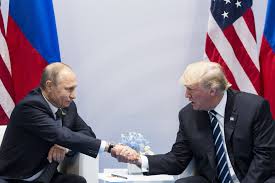
Conversations between Russia and the United States rarely make headlines when they involve cooperation rather than confrontation. Yet, behind closed doors and through diplomatic backchannels, both countries have reportedly engaged in discussions touching on one of the most sensitive sites in the world today: the Zaporizhzhia Nuclear Power Plant. At the same time, a parallel and unexpected idea has entered broader geopolitical conversations, the possibility that excess nuclear energy from such facilities could one day support large scale Bitcoin mining operations.
Taken together, these developments sit at the intersection of global security, energy policy, and digital finance. More importantly, they reveal how modern geopolitics increasingly blends physical infrastructure with digital economics. As events continue to unfold, understanding the context, motivations, and potential outcomes becomes essential.
Zaporizhzhia Nuclear Plant: Why It Commands Global Attention
To begin with, the Zaporizhzhia Nuclear Power Plant is not just another energy facility. It is the largest nuclear power station in Europe, consisting of six reactors and historically supplying a significant share of Ukraine’s electricity. Since early in the Russia-Ukraine conflict, the plant has remained under Russian control, although it is internationally recognized as Ukrainian territory.
Because of this, global institutions such as the International Atomic Energy Agency (IAEA) have remained deeply involved, stressing that any miscalculation could have consequences far beyond regional borders. Nuclear safety, after all, does not recognize national lines on a map.
For background on the plant’s scale and role, readers can review the IAEA’s overview of the facility here:
https://www.iaea.org
Diplomatic Channels and Quiet Discussions
While public statements from Moscow and Washington often emphasize disagreement, quieter diplomatic exchanges tell a more nuanced story. According to multiple international reports, U.S. and Russian officials have explored frameworks that could reduce the risks surrounding Zaporizhzhia’s operation. These talks reportedly focus on plant management, safety protocols, and potential international oversight mechanisms.
Rather than signaling political alignment, these conversations reflect pragmatic risk management. Nuclear accidents are universally catastrophic, and both sides understand that escalation at Zaporizhzhia would serve no one’s interests.
Coverage from major outlets has highlighted these behind-the-scenes efforts, including reporting from Reuters, which has closely followed nuclear diplomacy during the conflict:
https://www.reuters.com
The Management Question: Control Versus Stability
At the heart of these discussions lies a fundamental question: who should manage the plant, and under what authority? Russia currently maintains physical control, while Ukraine asserts ownership. Meanwhile, international bodies push for a neutral framework that prioritizes safety over sovereignty debates.
One proposal often mentioned in expert circles involves increased IAEA supervision or a demilitarized operational zone. Although implementation remains complex, such ideas underline a shared understanding that nuclear safety must transcend politics.
For readers interested in the legal and safety frameworks governing nuclear plants during conflicts, the World Nuclear Association provides useful context:
https://www.world-nuclear.org
Energy Oversupply and an Unexpected Idea
Alongside these management discussions, another topic has quietly gained traction in policy and energy circles. Large nuclear plants, especially during periods of reduced grid demand, can generate surplus electricity. Under normal circumstances, this excess energy is either curtailed or inefficiently redistributed.
However, in recent years, Bitcoin mining has emerged as an unconventional solution for absorbing excess power. This has already occurred in parts of the United States, Canada, and even Kazakhstan, where energy producers have partnered with miners to monetize otherwise wasted electricity.
This context has fueled speculation about whether nuclear facilities, including Zaporizhzhia, could one day play a role in similar arrangements.
Bitcoin Mining and Nuclear Energy: A Growing Trend
Globally, Bitcoin mining has increasingly migrated toward regions with stable, low cost energy. Nuclear power, due to its consistent output, has attracted particular attention. In the U.S., for instance, several mining firms have openly discussed co-locating near nuclear plants.
An example includes discussions reported by CoinDesk on how nuclear energy could support low carbon Bitcoin mining:
https://www.coindesk.com
Although these projects remain controversial, they reflect a broader shift in thinking. Rather than viewing Bitcoin mining solely as an energy drain, some policymakers and energy executives now see it as a flexible demand tool.
Why Zaporizhzhia Enters the Conversation
Given Zaporizhzhia’s massive capacity, it is not surprising that analysts have floated the idea, even hypothetically, that its output could support energy-intensive digital infrastructure. However, it is critical to stress that no official plan exists to turn the plant into a Bitcoin mining hub.
Instead, the discussion highlights how energy geopolitics is changing. Power generation is no longer just about lighting homes and fueling factories. Increasingly, it also underpins data centers, artificial intelligence, and blockchain networks.
For an accessible explanation of how Bitcoin mining works and why energy matters, this resource provides a solid primer:
https://www.investopedia.com
Strategic Implications for Russia
From Russia’s perspective, energy has always been a strategic lever. The country is a major exporter of oil, gas, and nuclear technology. If digital assets like Bitcoin continue to gain geopolitical relevance, controlling energy inputs into mining operations could become another layer of influence.
Moreover, Russia has previously signaled interest in cryptocurrency as a way to navigate financial restrictions. While mining at Zaporizhzhia remains speculative, the broader alignment between energy assets and digital finance fits into Russia’s long-term strategic thinking.
For additional insight into Russia’s evolving stance on digital assets, see this analysis from the Atlantic Council:
https://www.atlanticcouncil.org
U.S. Concerns and Strategic Calculations
On the U.S. side, concerns extend beyond energy economics. Washington has consistently emphasized nuclear safety and non-proliferation. Any arrangement involving Zaporizhzhia must align with international norms and prevent the plant from becoming a geopolitical bargaining chip.
At the same time, U.S. policymakers are increasingly aware of how Bitcoin and other digital assets intersect with national security, energy policy, and financial stability. Discussions around Zaporizhzhia therefore touch on more than a single facility. They reflect broader anxieties about how emerging technologies reshape power dynamics.
For U.S. perspectives on nuclear safety and international cooperation, the U.S. Department of Energy offers detailed resources:
https://www.energy.gov
Human Stakes Often Overlooked
Beyond strategy and speculation, it is important to remember the human dimension. Thousands of workers operate and maintain the Zaporizhzhia plant under extraordinarily stressful conditions. Nearby communities live with constant uncertainty, knowing that any incident could upend their lives.
Consequently, discussions about management and future use must prioritize safety, transparency, and worker protection. Whether the topic is nuclear oversight or hypothetical energy applications, human lives remain at the center of the issue.
Humanitarian reporting from organizations such as the United Nations provides valuable context here:
https://www.un.org
Global Energy Transition and Digital Demand
Stepping back, the Zaporizhzhia conversation mirrors a global trend. As the world transitions toward cleaner energy, electricity demand from digital systems continues to surge. Data centers, AI models, and blockchain networks all require stable power sources.
Nuclear energy, despite ongoing debates, remains one of the few scalable low-carbon options. This reality ensures that nuclear plants will increasingly feature in discussions about the future of digital infrastructure.
For a broader look at nuclear energy’s role in the clean energy transition, see the International Energy Agency’s analysis:
https://www.iea.org
Where the Conversation Leads
While no immediate breakthroughs have been announced, the fact that Russia and the U.S. are discussing Zaporizhzhia at all suggests a shared recognition of risk. These talks do not signal détente, yet they demonstrate that practical cooperation remains possible when stakes are high enough.
As for Bitcoin mining, its appearance in these discussions underscores how unconventional ideas are entering mainstream policy debates. What once seemed fringe now sits adjacent to nuclear diplomacy.
A Complex Intersection of Power, Safety, and Technology
Ultimately, the Zaporizhzhia Nuclear Power Plant represents more than a contested facility. It symbolizes how modern conflicts intertwine energy security, technological evolution, and global finance. Russia and the U.S., despite deep divisions, appear to understand that unmanaged risk benefits no one.
Whether discussions lead to international oversight, improved safety guarantees, or simply continued dialogue, their existence matters. Meanwhile, the speculative link to Bitcoin mining serves as a reminder that the future of energy will be shaped not only by politics, but also by code, computation, and digital value.
Sources
- International Atomic Energy Agency – Nuclear safety and oversight
https://www.iaea.org - Reuters – Ongoing coverage of Zaporizhzhia and nuclear diplomacy
https://www.reuters.com - World Nuclear Association – Nuclear plants and global standards
https://www.world-nuclear.org - CoinDesk – Bitcoin mining and energy trends
https://www.coindesk.com - Investopedia – How Bitcoin mining works
https://www.investopedia.com - Atlantic Council – Geopolitics of energy and digital assets
https://www.atlanticcouncil.org - International Energy Agency – Nuclear energy and clean transition
https://www.iea.org