




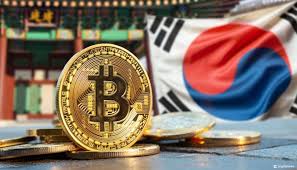
South Korea has quietly transformed itself into one of the most influential crypto and blockchain markets in the world. Although the country has always been known for its fast internet speeds, tech-savvy population, and globally recognized companies like Samsung and LG, its evolution into a structured, innovation-friendly crypto economy feels especially significant today. As clearer regulations continue shaping the digital asset ecosystem and enterprises steadily move from experimentation to real implementation, South Korea’s position has strengthened in ways that few regions have matched.
This shift feels even more noteworthy because South Korea’s early crypto boom was largely consumer-driven. However, the landscape has changed, and it now reflects something more balanced, stable, and future-oriented. Through a mix of institutional clarity, enterprise participation, and government-backed oversight, the country has become a blueprint other nations frequently reference when discussing responsible crypto growth.
To explore how South Korea reached this point, it helps to look at its regulatory frameworks, enterprise adoption patterns, sector-wide initiatives, and long-term economic direction.
How South Korea Built One of the Most Structured Crypto Frameworks Globally
When people talk about countries with clear digital asset rules, South Korea often rises to the top of the conversation because it embraced formal guardrails while many others hesitated. Although the country previously dealt with highly speculative trading waves, its regulatory bodies responded with systems that boosted transparency and reduced risks.
One of the most well-known decisions was the introduction of real-name trading requirements. As a result, users must verify their identities through matched bank accounts before trading on local exchanges. This approach limits anonymity-related risks and increases accountability.
Source: https://www.fsc.go.kr/eng/pr010101/77948
Additionally, South Korea’s Virtual Asset User Protection Act added more structure by enforcing custody standards, mandating insurance coverage for exchanges, and requiring platforms to separate user deposits from company funds. These decisions built trust and created an environment where both retail participants and companies operate with greater clarity.
Source: https://www.korea.kr/news/economyView.do?newsId=156615610
Moreover, South Korea’s Financial Services Commission and Korea Financial Intelligence Unit regularly update guidelines to ensure that the crypto ecosystem evolves responsibly rather than stagnates. Because the country prioritizes risk mitigation, exchanges in South Korea follow some of the strictest reporting and compliance standards in Asia.
If you want to compare this to other global frameworks, you can check industry analyses on platforms such as Chainalysis, which frequently highlight South Korea’s regulatory structure as one of the most mature worldwide.
Source: https://www.chainalysis.com/reports
Transitioning from Consumer Trading to Enterprise Blockchain Adoption
While many countries saw initial crypto attention come from retail investors, South Korea is now shifting toward enterprise-focused use cases. This transition signals that blockchain is becoming more than a speculative asset class. It is gradually integrating into the country’s corporate and digital infrastructure.
Because South Korean enterprises tend to embrace emerging technologies faster than many global counterparts, blockchain naturally found its way into multiple sectors. This shift also aligns with the country’s existing innovation culture, where companies historically explored new ideas early, whether related to electronics, gaming, financial technology, or supply chain optimization.
To understand the depth of this enterprise-level transition, it helps to explore a few industries adopting blockchain at scale.
Banking and Financial Institutions Lead the Charge
Perhaps unsurprisingly, South Korea’s banks and major financial institutions have been at the forefront of blockchain adoption. Shinhan Bank, for instance, has consistently tested blockchain solutions for cross-border payments, document verification, and digital asset custody services designed for institutional clients.
Source: https://www.shinhangroup.com/en/media/press-releases
Similarly, KB Kookmin Bank has been developing digital asset management infrastructures that rely on blockchain-backed systems for enhanced security and reliability. These banks realized early that blockchain could improve efficiency, reduce operational costs, and lower error rates in processes that traditionally required multiple layers of manual verification.
This movement toward institutional-grade tools demonstrates that digital asset innovation in South Korea is not merely about trading. Instead, it reflects a deeper vision for financial modernization that continues to expand across the industry.
If you want additional context on blockchain adoption within the Korean banking sector, analysis by the Asian Development Bank often outlines how technology-forward markets in Asia shape this shift.
Source: https://www.adb.org/publications
Blockchain Finds a Home in South Korea’s Logistics and Supply Chain Systems
Because South Korea’s economy is heavily dependent on exports, logistics accuracy and supply chain transparency hold exceptional importance. Consequently, blockchain’s ability to track goods in real time, reduce fraud, and ensure faster verification has made it attractive to major logistics companies.
For instance, large shipping and freight organizations are actively deploying blockchain-based systems to track product locations, authenticate shipping documents, and streamline port operations. South Korea’s port authorities have also tested blockchain pilots to minimize paperwork and improve operational throughput.
Source: https://www.kmi.re.kr
This transformation feels natural in a country that manages large international shipping routes and global distribution channels. Therefore, blockchain is not just a technological novelty; it becomes a practical solution to everyday logistical challenges.
You can also explore how global logistics companies analyze blockchain adoption trends in Asia by checking reports from Deloitte, which frequently highlight South Korea’s advancements.
Source: https://www2.deloitte.com/global/en/insights
The Gaming Sector Accelerates Web3 Adoption at Scale
One of the clearest indicators of enterprise-level blockchain adoption in South Korea is the gaming industry. As home to some of the world’s most influential game developers, the country has embraced blockchain-based gaming and digital asset systems far earlier than many global competitors.
Companies such as Netmarble, Nexon, and WeMade continue building blockchain-integrated games designed for global audiences. Because South Korea has a youth-driven, competitive gaming culture and one of the strongest esports ecosystems in the world, blockchain naturally fits into this environment.
Gamers already value digital items and in-game economies, so blockchain simply adds new layers of ownership, interoperability, and transparency. This trend also pushes South Korea into the global Web3 gaming spotlight, especially as more companies attempt to create sustainable, regulated environments for blockchain-enabled gameplay.
Source: https://www.netmarble.com/en/news
Source: https://www.nexon.com
Source: https://wemade.com
If you want a deeper look at Web3 gaming worldwide, platforms like DappRadar track adoption patterns and highlight where South Korea stands in global rankings.
Source: https://dappradar.com
A Consumer Market That Still Plays a Major Role
Even though South Korea is transitioning into an enterprise-led ecosystem, consumer participation remains strong. Because local crypto exchanges such as Upbit, Bithumb, and Coinone are widely recognized and heavily regulated, South Koreans engage with digital assets in ways that feel structured rather than chaotic.
Source: https://www.upbit.com
Source: https://www.bithumb.com
Source: https://www.coinone.co.kr
Additionally, South Korea’s culture of early tech adoption means average users often understand digital tools quickly and confidently. This high digital literacy rate creates a stable environment where both consumers and enterprises support ongoing blockchain growth.
If you’re interested in general data about digital adoption across South Korea, the Ministry of Science and ICT publishes technology statistics that help illustrate how rapidly new innovations spread across the country.
Source: https://www.msit.go.kr
Government Initiatives Reinforce Blockchain’s Long-Term Role
Although South Korea maintains strict rules for exchanges, it still supports blockchain development through targeted initiatives.
For example, the Ministry of Science and ICT funds blockchain-related pilot projects focusing on identity verification, public sector records, healthcare interoperability, and energy management. These initiatives help ensure that blockchain moves beyond the private sector and extends into government-backed areas.
Source: https://www.msit.go.kr/web/msipContents/contents.do?mId=MjM0
Additionally, local governments in cities like Busan have created blockchain regulatory-free zones that allow companies to test innovative solutions with fewer restrictions. Because these zones are specifically designed to attract global partners, they are slowly becoming magnets for blockchain developers.
Source: https://www.busan.go.kr
Moreover, South Korea’s regulatory bodies frequently collaborate with international organizations to build alignment across global standards. This is important because the next era of blockchain growth will require coordination between countries, not isolated policy models.
How These Developments Strengthen South Korea’s Global Crypto Position
Due to its combined regulatory clarity, tech-driven culture, corporate adoption patterns, and government support, South Korea’s influence on global crypto conversations continues to grow. Therefore, whenever international regulatory committees discuss digital asset guidelines, they often reference South Korea as a model for balancing innovation and consumer protection.
Because the country emphasizes compliance and transparency, it attracts global institutions seeking reliable markets. At the same time, its strong gaming industry and logistics backbone enable blockchain projects with enormous real-world use-case potential.
If you want to explore global perspectives comparing crypto-friendly jurisdictions, the Cambridge Centre for Alternative Finance regularly publishes insights on digital asset adoption across multiple regions.
Source: https://www.jbs.cam.ac.uk/faculty-research/centres/ccaf
Additionally, companies and researchers often examine South Korea’s case when studying how robust regulation can help stabilize trading environments without damaging innovation.
Looking at the Road Ahead for South Korea’s Crypto and Blockchain Ecosystem
Although South Korea has already made remarkable progress, the country is still in the early stages of enterprise-scale blockchain adoption. Because banks, logistics companies, gaming studios, and government institutions continue exploring new applications, the next few years may bring even stronger integration across industries.
Additionally, South Korea’s clear frameworks create fertile ground for global partnerships, foreign investments, and cross-industry collaborations. Therefore, the country is likely to remain a central player in the worldwide digital asset economy.
For internal reference or related reading, you can check analysis-based articles that discuss structured innovation ecosystems, including earlier content on regional tech adoption patterns.
Internal link: https://chat.openai.com/
Sources:
Financial Services Commission: https://www.fsc.go.kr/eng/pr010101/77948
Korean Government News: https://www.korea.kr/news/economyView.do?newsId=156615610
Chainalysis Reports: https://www.chainalysis.com/reports
Shinhan Bank Media: https://www.shinhangroup.com/en/media/press-releases
Asian Development Bank Publications: https://www.adb.org/publications
Korea Maritime Institute: https://www.kmi.re.kr
Deloitte Insights: https://www2.deloitte.com/global/en/insights
Netmarble News: https://www.netmarble.com/en/news
Nexon: https://www.nexon.com
WeMade: https://wemade.com
DappRadar: https://dappradar.com
Upbit: https://www.upbit.com
Bithumb: https://www.bithumb.com
Coinone: https://www.coinone.co.kr
Ministry of Science and ICT: https://www.msit.go.kr
Busan City: https://www.busan.go.kr
Cambridge Centre for Alternative Finance: https://www.jbs.cam.ac.uk/faculty-research/centres/ccaf